


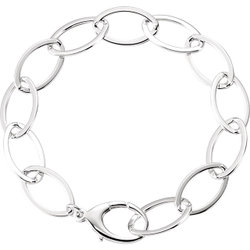
As a soft, white, lustrous metal, silver has the highest electrical conductivity of any element and the highest thermal conductivity of any metal. It is often used to make ornaments, jewelry, high-value tableware, utensils (“silverware”), and currency coins .The metal occurs naturally in its pure, free form (native silver), as an alloy with gold and other metals, and in minerals such as argentite and chlorargyrite. However, most silver is produced as a by-product of copper, gold, lead, and zinc refining.
Jewelry and silverware are traditionally made from sterling silver (standard silver), an alloy of 92.5% silver and 7.5% copper. In the US, only an alloy consisting of at least 92.5% fine silver can be marketed as "silver": (stamped 925). Sterling silver is harder than pure silver, and has a lower melting point (893 °C) than either pure silver or pure copper.
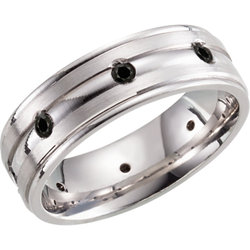 Since silver is much cheaper than gold, though still valuable, it’s very popular with jewelers. Silver is perfect for those businessmen and tradesmen who are just starting out and cannot afford to make pieces in gold, or as a practicing material for goldsmith apprentices. In recent hard economic times, silver has also become very popular for being an attractive and affordable alternative to white gold and platinum. More and more fine jewelry designers are offering Silver lines as the demand for this versatile metal grows.
Originally, silversmiths mostly made “silverware” such a table flatware, bowls, candlesticks, etc. Given the rising popularity of Silver jewelry, however, silversmithing has become mainly work in the jewelry industry. Sterling silver jewelry is often plated with a thin coat of .999 fine silver to give the piece a shiny finish. This process is called "flashing". Plating can also be done with rhodium (for a bright, shiny look) or gold.
Stop in and visit Bonaci Jewelers of Kent, Washington today and ask our friendly, knowledgeable sales associates to show you our fine selection of Sterling Silver Jewelry.